Personally penned essay on ‘Cut it Out’ as part of UCC part-time course I completed in March 2026, entitled ‘Neurodiversity in the Arts and Creative Sector”
There has been a lot of discourse around Neurodiversity in the arts and creative industry in light of the international movement towards more inclusivity
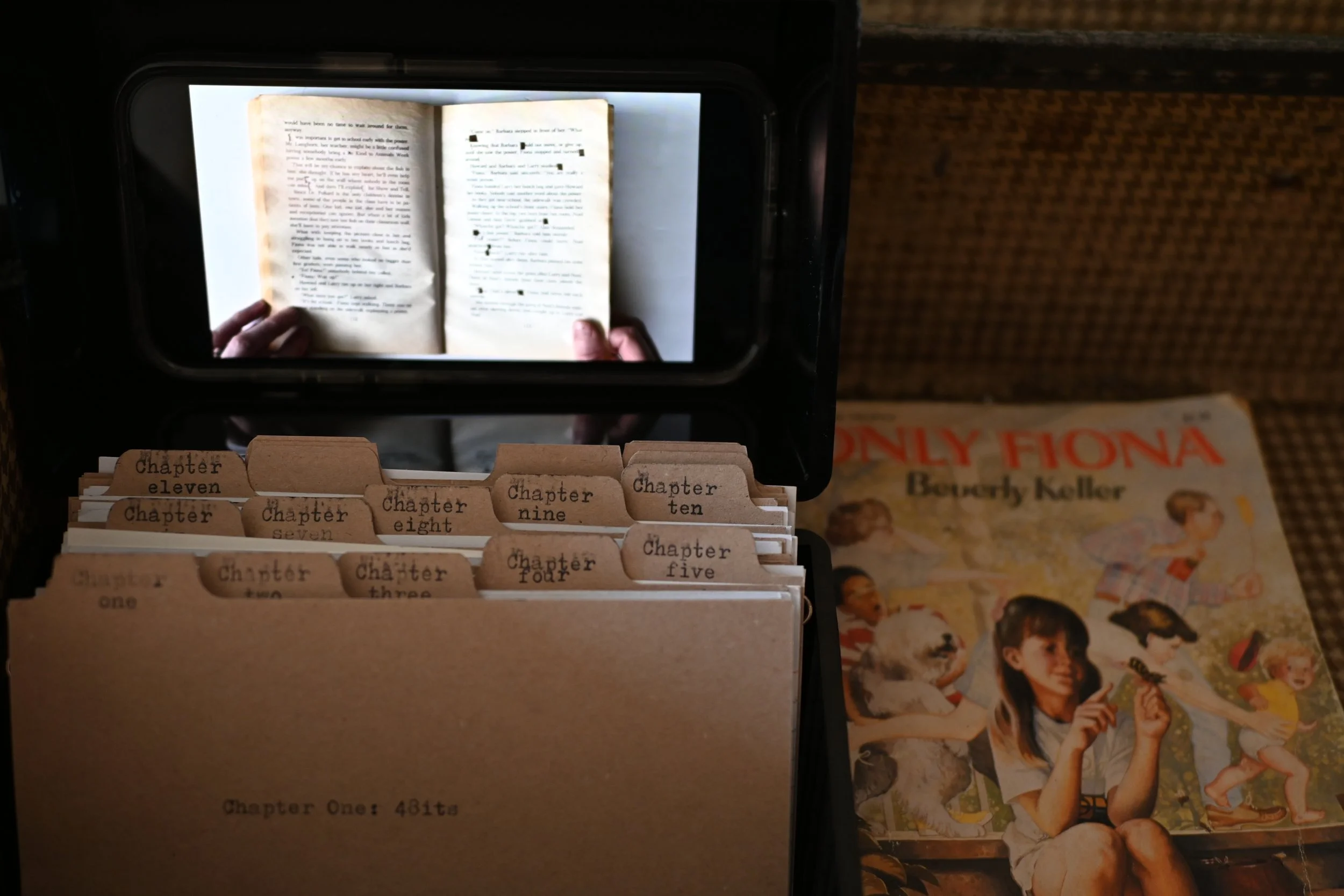
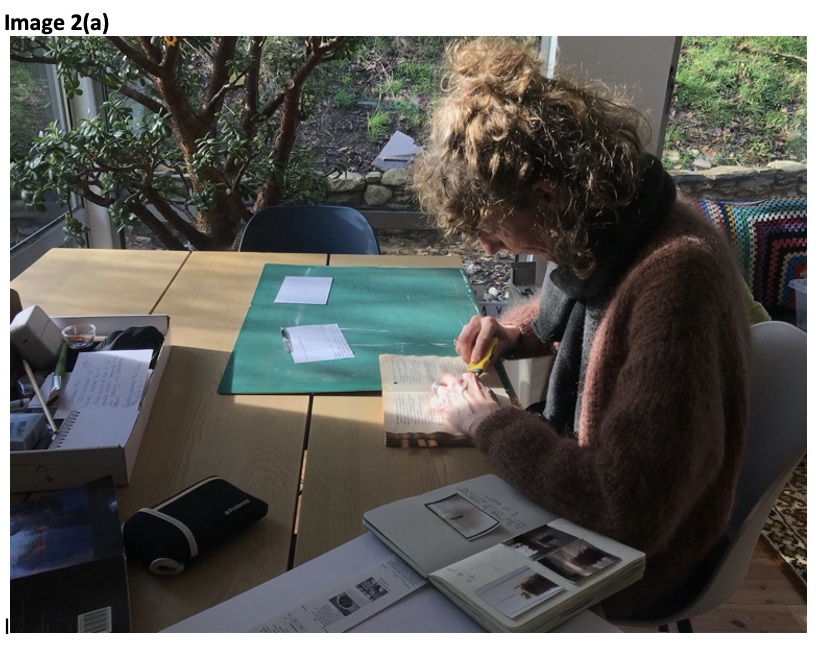
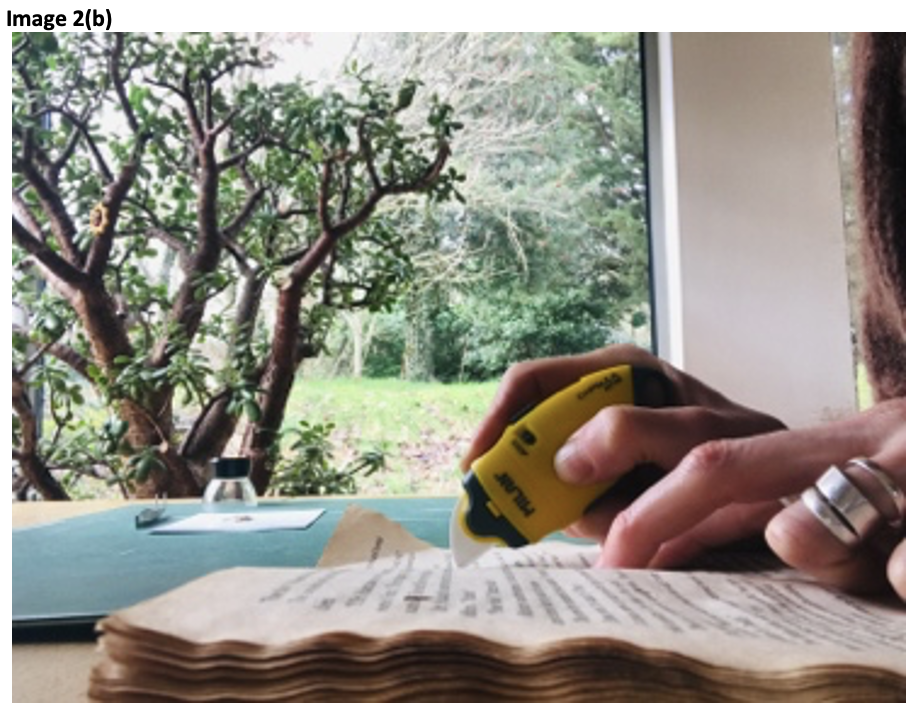
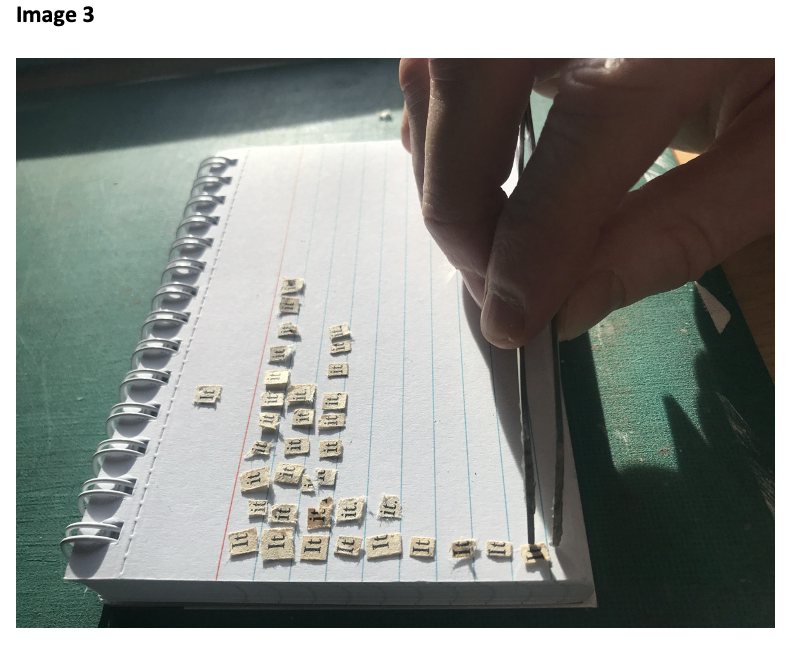
This essay examines ‘Cut it Out’ (O’Connor, 2023) and is an enquiry as part of AD1109, Introduction to Neurodiversity course (UCC. 2025). It’s a performative artwork created over a period of time at the artists kitchen table. The work documents an iterative action: the cutting of the word “it” from the book ‘Only Fiona’ (Keller, 1988) and the careful filing of each excised fragment onto index cards. (Image 1) A book is at the core of the piece. Belcher and Maich tell us that each ‘media is inherently structured with its own framework for meaning making… Novels (books) allow for reflection, pause and re-reading and may evoke memories of schooling and study.’ (Belcher & Maich, 2014) At first glance the extracting of it could be seen as an attack on the book and by default the above mentioned association to school and study. Stuart Hall’s representation theory suggests that media does not simply mirror reality but actively constructs it through codes and symbols that are deeply linked and rooted in culture.(Hall, 1997) Image 2a depicts a figure bent over a book, scalpel in hand and 2b zooms in on the incising and fingering of words. Through the index card system viewers learn that each excised ‘it’ is archived (Image 3). The artist as performer cuts ‘it’ out and arranges it on the index card while the artist as observer documents thoughts on the reverse side. The act of removal and preservation reflects a dual impulse: erasure and documentation – the hidden (erased from view: the cut out its) needing to be seen (documented). The repetitive actions, linguistic play and archival precision echo the structural concerns of Conceptual Art (Tate website) while the emphasis on compulsion and order throughout the performance suggest deeper psychological or neurological resonances. The following discussion seeks to situate ‘Cut it Out’ within the discourse of the neurodiversity paradigm.
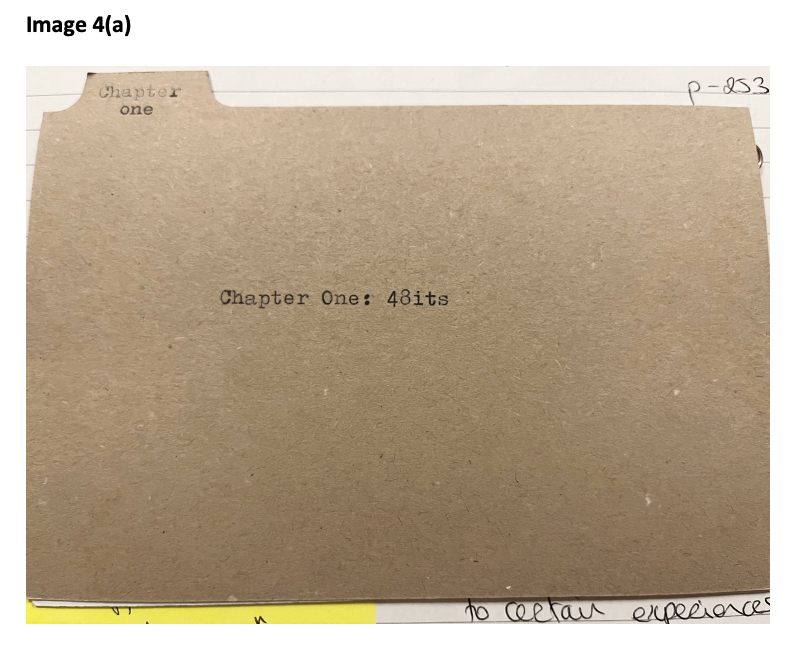
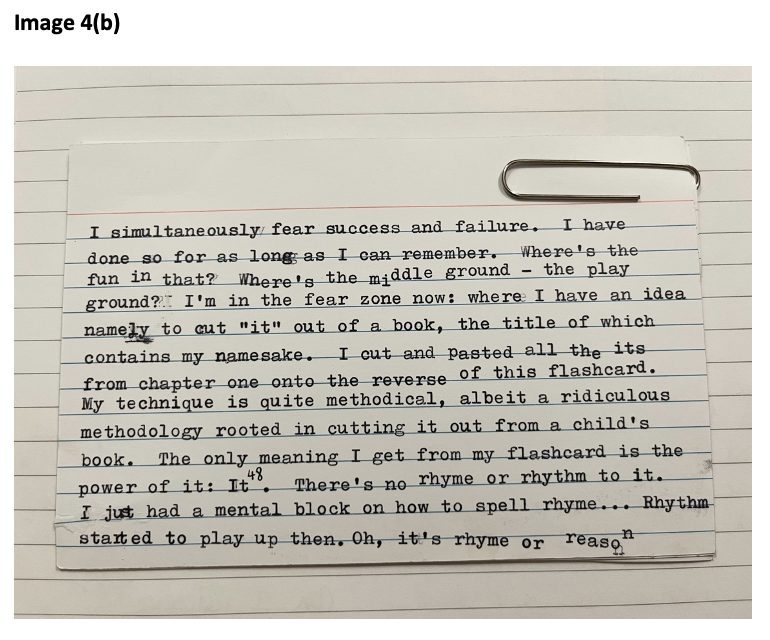
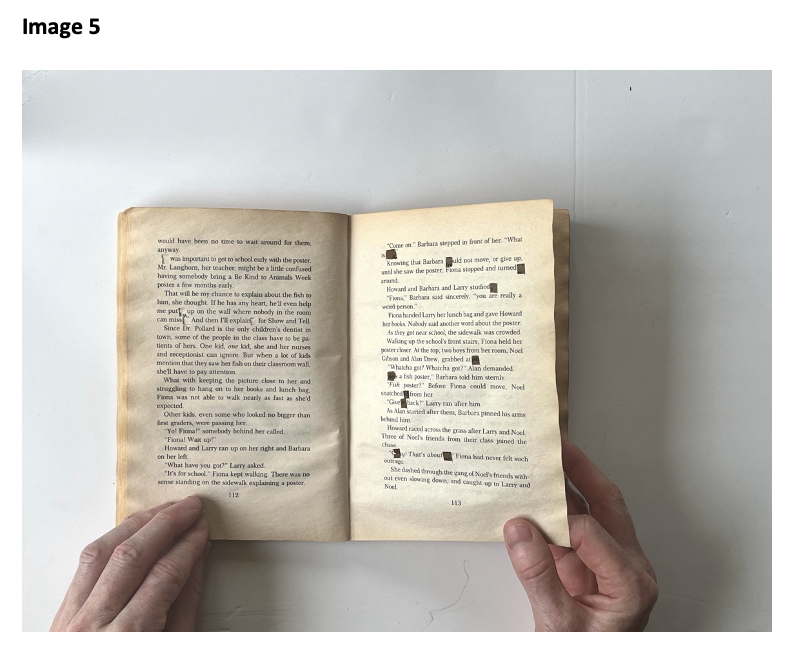
Dr Nick Walker tells us that ‘Neurodiversity is a biological fact… the neurodiversity paradigm is a specific perspective on neurodiversity’ that believes that there is not one ‘Normal’ or ‘Healthy’ type of brain/mind or one right style of neurocognitive functioning: this belief is a cultural construction.’ (Walker, 2025) ‘Cut it Out’ could be seen to function as both an aesthetic and cognitive process: a translation of neurodivergent experience - namely Dyslexia and Autism - into visual and performative form. Chapter 1’s index card (Image 4b) leads us into the performance. The absence of the books narrative here enforces the primacy of process over story: it is the act of cutting rather than the books’ content that carries weight. The archived ‘its’ mean something, as does the remaining text of the book with its gaping holes. (Image 5) ‘Holes in the plot’ springs to mind, a term used to imply a gap or inconsistency in a story’s logic, character or world-building that breaks the narratives internal consistency. It literally hinders reading the text fluidly. Dyslexia is a learning difference that creates challenges in reading and writing. It is also a way of thinking, learning and seeing the world that is different to non-dyslexics. (Roos, 2024).
Now language becomes both material and obstacle. The extracted ‘its’ become food for thought for the artist-observer. The observers decision to document her thoughts on the reverse side of each index-card enacts a process of translation - it adds meaning, while the words around the holes of the book require more effort by all to make sense. The repetitive, controlled action – extracting it - creates a rhythm that suggests both discipline and compulsion. An intense hyperfocus is needed to find all of the its. A characteristic associated with Autism is monotropism - a kind of tunnel vision (Henderson, D, Wayland S. 2023) and a difficultly shifting attention (Murray, Lesser & Lawson (2005). Armed with these observationsthe visual scene in Image 2, that is split in half by light and shadow could be emblematic of a division within the performer/observer. (Jung, C 1978) On the one hand a sense of doubt exists within the index-card text of chapter 1 ‘I’m in the fear zone now: where I have an idea…’ (Image 4b) versus the definite action of excising the ‘its’. This separation of being resonates with Julia Kristeva’s discussion in Strangers to Ourselves. She examines the notion of living with internal foreignness: the alienation from oneself that becomes both painful and generative. (Kristeva, 1991) She questions whether one can sustain multiple identities without being perceived as “mad or fake”? Ones’ mental health could be at stake? The work inhabits an in-between space, using performance as a means to externalise an interior state and a process of thought and repetition.
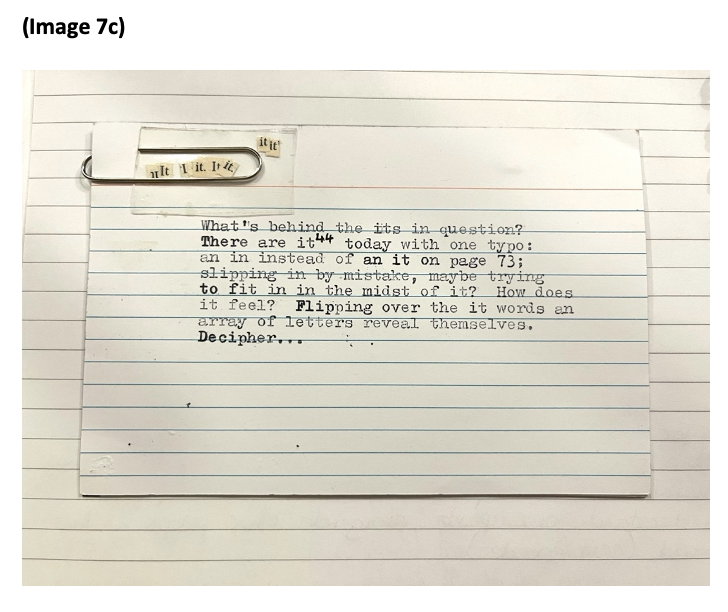
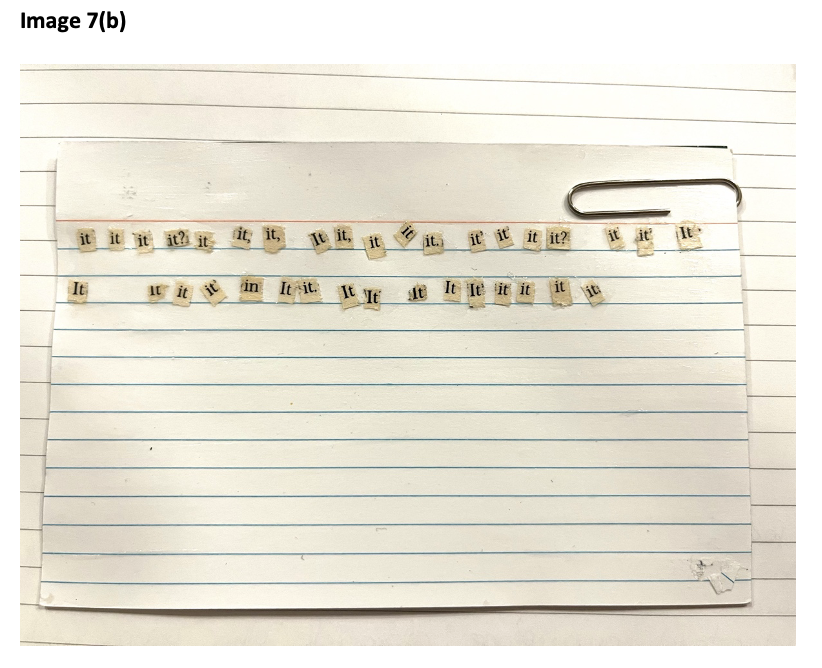
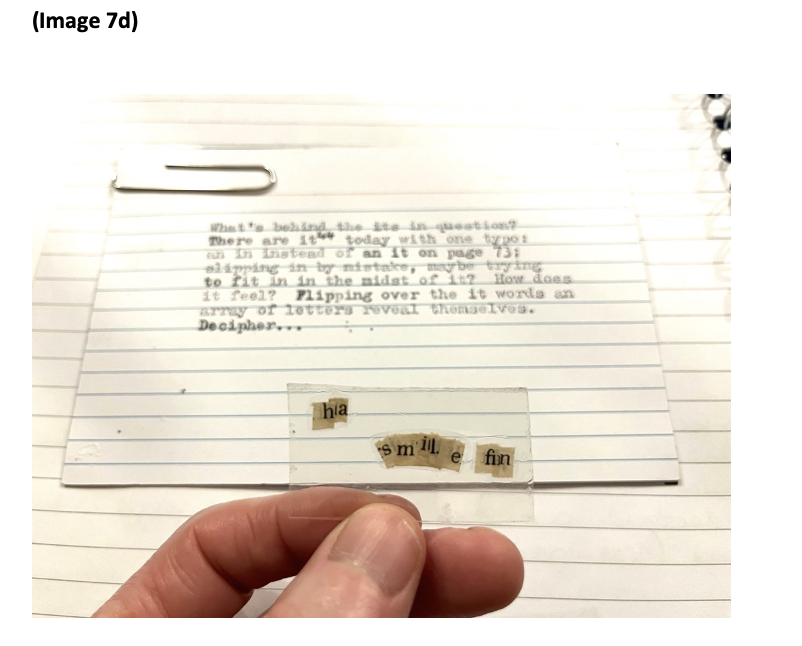
No spoken voice exists in the work only the turning of the pages can be heard in the short video, along with the sight of the gaping holes. (O’Connor, 2023) The works’ silent performance aligns with Kristeva’s reflections on mutism and the translation of the inner voice. In her discussion of linguistic estrangement, Kristeva describes the experience of ‘not speaking one’s mother tongue,’ of existing within a linguistic space disconnected from bodily memory. (Kristeva, 1991) Each excised ‘it’ represents a micro-act of silencing and recovery – language literally cut apart and reassembled. The phrase ‘cut it out’ functions on multiple levels. Firstly - colloquially, as a literal act, as a command to cease unwanted, undesirable behaviour. In this context it bears semantic weight because it is often said in a harsh, critical tone – Stop! Secondly - as a metaphor for self-censorship or internal regulation: nobody hears it when it holds its tongue. It’s mute but there non-the-less. The Brain Charity defines “masking” as the suppression of neurodivergent traits to conform to social norms: the masking to fit in, a pseudo smile perhaps? (Images 7a,b,c) but it is exhausting (website The Brain Charity) and can lead to poor mental health. We might ‘pass as neurotypical but we lose agency and our sense of self.’ (Boué, 2022)
Howeverthe artist observer/performers’ methodical approach – cutting, filing, typing – suggests an ordered system through which meaning is generated. It speaks. Within the framework of neurodiversity, such systems can be seen not as pathological but as alternative cognitive strategies. (Walker, 2025) Judy Singer, who coined the term neurodiversity, argues that neurological variations constitute a natural form of human biodiversity. (Singer, 2016) From this perspective cut it out exemplifies how neurodivergent modes of perception and organisation can produce unique aesthetic systems of communicating. Here ‘Cut It Out’ could be seen to unmask: it externalises hidden processes that don’t align with social norms – hyperfocus also known as the mono-tropism (Murray et al. 2005), linguistic play, and obsessive ordering – transforming them into visible material evidence.
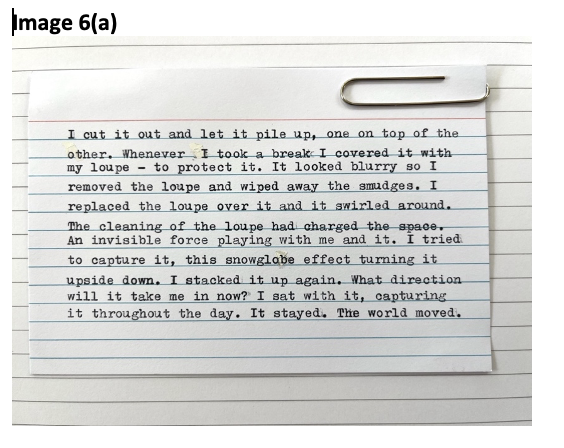
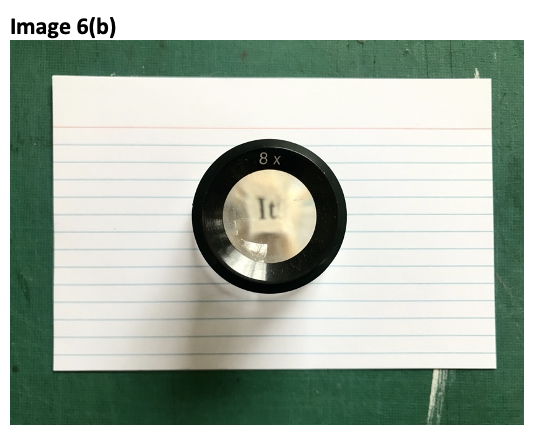
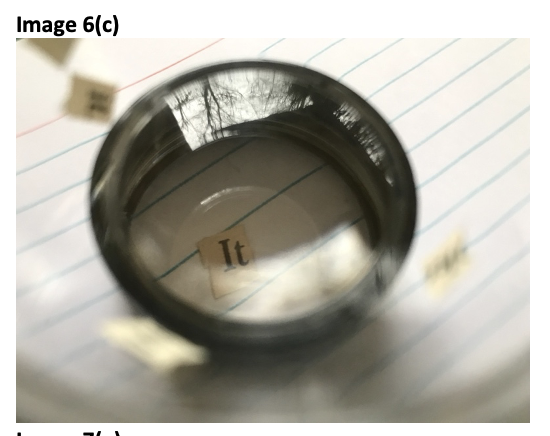
The character Rafe in the film Pearl Harbour (2001) is dyslexic. He dreams of becoming a pilot. As a child he and his friend, Danny, would pretend to fly. Rafe would name the planes and write the names on the side, but the words were always crooked and misspelled. People would tell Danny, “don’t spend time with that stupid boy.” (Stevenson, 2024) Cultivation Theory supports the idea that media, such as television, have powerful effects on their audiences – by seeing/hearing the message repeatedly over time, our perceptions are formed. (Johnson, Olsen 2021). Alongside the holes made in the text of the actual book (Image 5), words fall off the lines towards the end of the first index-card (image 4). It could be argued that this is a bit too stereotypical a representation of the dyslexic mind – the idea that words are just playing around when, in fact, as S Roos tells us in the second paragraph dyslexia is also a ‘way of thinking and learning that’s different to the norm’. Stereotyping shapes perception and obscures the rest. Just as equating dyslexia to stupidity is harmful so too it could be said that to limit the dyslexic experience to just words is a limited view. Images 6a, b, c help counteract any shoehorning. According to Ken Gobbo (2020) creativity and curiosity are bedfellows to the dyslexic mind. A loupe is a tool usually used to magnify small details in a photo. (Image 6b) The blurry view through the loupe led to its cleaning which led to accidently charging the space and ‘it swirled around’. The loupe is a magnifier and perhaps in this instance a signifier (Barthes, 1977) - the bringing together of clues - that leans into amplified playfulness & curiosity within the dyslexic mind, as it sits with it ‘an invisible force playing with me...’ (image 6a,b,c)
The work so far reveals the combined existence of dyslexia and autism. It is worth mentioning that there is a term in autism called “Looping autism” which refers to a mental cycle where a thought, memory or phrase repeats incessantly in an autistic persons mind, it swirls round and round. (Jack, 2023). …’this snow-globe effect turning it upside down. I stacked it up…’ (Image 6a) From an autistic perspective Nick Walker tells us that ‘autistic brains are characterised by particularly high levels of synaptic connectivity and responsiveness. This tends to make autistic individuals subjective experience more intense and chaotic than non-autistics…’ (Walker, 2025) A serendipitous word/idea-object use.
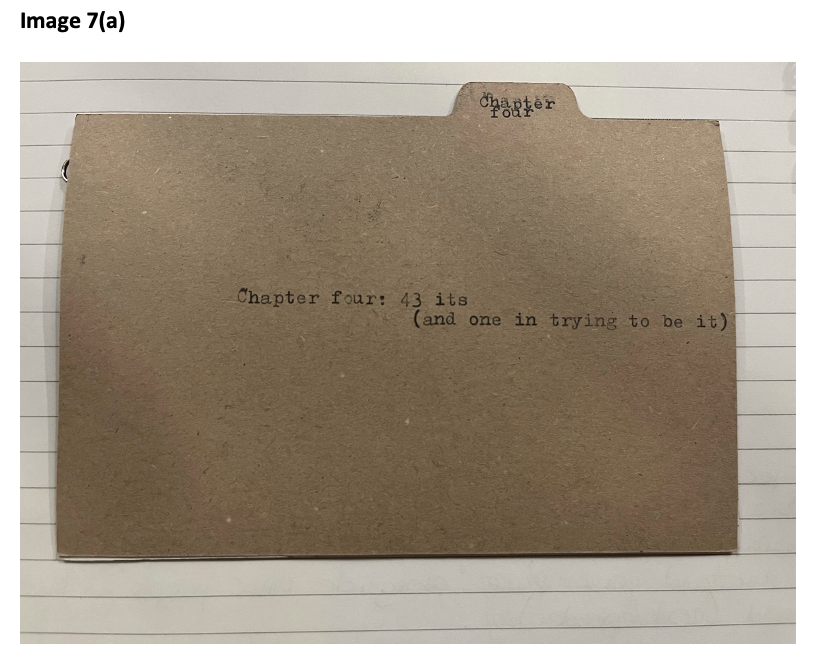
In conclusion the artwork can be seen as both a symptom and a strategy: a neurodivergent method of processing language, emotion and identity through tactile engagement; a translation of neurodivergent experience. The shifting text in the index-card for Chapter 1 recalls an aspect of the dyslexic experience – where reading and word organisation can be fragmented. The disciplined persistence as highlighted through the mono-tropic action of the performer - head down - also shines a light on the effort it takes ‘to do’. (Murray, Dinah 1992) Chapter 4s index-card text asks for a deciphering of it – a figuring out, like it’s a puzzle – behind/under the mask. (Image 7a,b,c) The typed text on Chapter 1’s index-card captures both a struggle and a humour within linguistic uncertainty: “I just had a mental block on how to spell rhyme …Rhythm started to act up then. Oh, its rhyme or reason.” (O’Connor, 2023) The textual errors illustrate a dyslexic negotiation with language, transforming what might be considered mistakes into aesthetic evidence of cognitive diversity. The undercurrent of playfulness and curiosity in the mixing-up of wording (Image 4b) and searching for clues within the text (Image 7c) gives us further insight into this neurodiverse way of being. The artist’s ‘mistakes’ become part of the works conceptual texture. Popular portrayals of autism, such as the savant archetype in Rain Man (1988) and the Pearl Harbour (2001) depiction of the dyslexic boy, perpetuate the limited stereotypes that only serves to conflate neurodivergence with extraordinary ability or disability (stupidity). (Draaisma, Douwe 2015) ‘Cut it out’, more or less , resists such simplifications by presenting the everyday realities of focus, repetition, and self-questioning as aesthetic forms. In contrast to the stereotypes of Hollywood depictions ‘Cut it out’ presents a quieter, more introspective engagement with neurodiversity devoid of sensationalising. It ultimately stands as a mediation on the complexity of self-translation and the sometimes subtle aesthetics of neurodivergence.
References:
Barthes, R. (1977), “Rhetoric of the image”, Image, Music, Text, Essays selected and translated by Stephen Heath, London: Fontana Press p- 34
Belcher, C. and Maich, K. (2014) Autism Spectrum Disorder in Popular Media: Storied Reflections of Societal Views, Brock Education, 23(2), Spring 2014, p – 99
Boué, S (2022) “About being Autistic, Masking and unmasking”, Am I Autistic? Bermingham: Bermingham Open Media BOM.ORG.UK pp 30-31
Draaisma, D (2009) “Stereotypes of Autism”, Philosophical Transactions of the Royal Society Biological Sciences, 364, pp. 1475 1480
Gobbo, K. (2020) Dyslexia & Creativity, Diverse Minds, Cambridge Scholars Publishing. pp 1- 4
Also see https://youtu.be/YuldVDccofA for Dyspla analysis – the relationship between neurodivergence and cinema. Accessed 3.12.25
Hall, S (ed.) (1997) “Representation, meaning and language”, in Representation, Cultural representations and Signifying Practices. London: SAGE publications. The Open University p- 15.
Henderson, D. & Wayland, S. (2023). “Autistic strengths” in Is This Autism? A Guide for Clinicians and Everyone Else. NY and London: Routledge Taylor & Francis Group. p-233
Jack, C. (2023) Psychology Today, How to Get Out of an Autistic Loop
https://www.psychologytoday.com/ie/blog/women-with-autism-spectrum-disorder/202312/how-to-get-out-of-an-autistic-thought-loop Accessed 25 November 2025
Johnson, M., Olson, C (ed.) (2021) ‘Introduction’, Normalizing Mental Illness and neurodiversity in entertainment Media. Routledge Taylor & Francis Group, p-3.
Kristevia, Julia (1991), “Toccata & Fugue for the foreigner (a Hatred)”,Strangers to Ourselves. Translated by Leon S. Roudiez. New York. Columbia University Press. p-15 &16
Jung, K (ed.) 1978 “Approaching the unconscious”, in Man and his Symbols. London, Picador p-83
Keller, B (1988) Only Fiona. Harper Row, NY
Murray, D., Lesser, M., & Lawson, W (2005) Attention, Monotropism and the diagnostic criteria for autism. Autism, Vol 9(2), 139-156. SAGE Publications and The National Autistic Society http://doi.org/10.1177/1362361305051398 Accessed on 25 November 2025
O’Connor, F (2023/2024) Cut It Out, Mixed media: 12 index cards – 6” x 4”, 12 brown dividers – 6”x4”, Black Index Box – 7”x5”x4”; a paperback book – Only Fiona. Keller, B (1988), video displayed on a phone screen 3”x6”; Suitcase 20”x 12” x 8”; Planned Location : touring libraries around Ireland. The piece consists of a suitcase that contains the book, a black index card box within which are 12 brown partitions and 12 index cards that correspond to the 12 chapters of the book. The cards are organised into their respective chapter behind the brown partition - which states the chapter and the number of ‘its’ extracted from the accompanying chapter. We are led through the work by this series of cards that has typed text on one side and the word ‘it’ multiple times on the other. A short video on a small screen shows the artists’ hands leafing through the book.
Available at www.fionaohconnorworks.com (accessed 20.11.2025) Note: please go to Unexhibited (to date) work & click on Cut It Out
Pearl Harbour (2001) R. Wallace, writer. Directed by Michael Bay. Touchstone pictures, Buena Vista Pictures Distribution
Rain Man, (1988) Directed by B. Levinson. United Artists Guber-Peters Company Star Partners II , Ltd.
Roos, S. (2024) ‘Why studying is so hard for you.’, At School with Dyslexia, a study guide for dyslexic learners. Great Britain. Robinsons p-5
Singer, J (2016) ‘Authors Introduction’, Neurodiversity, the birth of an idea. Printed in Dunstable, United Kingdom p 17 – 19
Stevenson, A. (2024) Dyslexia Scotland Young Ambassador, Dyslexia in the media: from misunderstanding to empowerment https://dyslexiascotland.org.uk/dyslexia-in-the-media-from-misunderstanding-to-empowerment/ (Accessed on 20 November 2025)
Tate https://www.tate.org.uk/art/art-terms/c/contemporary-art (Accessed on 14 November 2025)
https://www.tate.org.uk/research/tate-papers/02/contemporary-art-and-the-role-of-interpretation (Accessed on 14 November 2025)
The Brain Charity, https://www.thebraincharity.org.uk/what-is-masking/ Accessed on 22 November 2025
UCC (2025) AD1109 Introduction to Neurodiversity in the Arts and Creative Industry, Programme Coordinator and Primary Lecturer:Eleanor McSherry https://ucc.instructure.com/courses/91782/pages/course-information
Walker, Nick https://neuroqueer.com/neurodiversity-terms-and-definitions/ Accessed on 25 November 2025
Photographic references:
Reflection on above essay
This is a reflective statement on the written essay examining ‘Cut it Out’ (O’Connor, 2023).
The film ‘Being There’, a Hal Ashby film starring Peter Sellers and Shirley MacLaine, was a possible contender for this assignment. However my heart and mind couldn’t let go of the idea of probing deeper into ‘Cut it Out’. (O’Connor, 2023) For I am the excise-r, observer and the critique-r of it. It was mentioned during correspondence with my tutor that it would be challenging to be objective on a personal piece and I was advised to steer away from it. I considered the advice most seriously but my desire to use this unique opportunity to understand the ‘other’ in my own autistic self was too strong. Writing this paper and attending this course has offered me an opportunity that I would have never allowed or given myself.
I now feel it was necessary to proceed, despite being very nervous of getting it wrong and upsetting my tutor but it has helped me to further interpret ‘Cut it Out’. I see the reasons for the uncertainty but I also see that my ignorance of another meaning behind the piece beyond playful cutting out and paying attention to it, is, seeing it through the neurodivergent lens. The awareness of the hidden power of comorbid conditions (e.g. autism and dyslexia) and the fear/uncertainty/curiosity/playfulness/energy etc they can create in the school-child/teenager/mature student/mother in a neurotypical world interests me, as does the sheer determination neurodivergence can provide in a wish to be seen.
“Knowing what they don’t know is vital to scientists, it inspires, directs and focuses research, it engenders humility”… but “ultimately the aim of the scientist is still to eliminate ignorance.” (Steward, R 53 sec – 1.36mins)
I didn’t know until very recently that I have an autistic brain. In the essay the mute inner voice is mentioned. The psychologist Josh Cohen says that the ‘mute spot in your interior can be the very source of your creative life’ (ibid Steward 15:42 – 15:57 in Ignorance podcast). The semantically heavy ‘cut it out’ version of irritability or anger - whether from within or without - can halt experiences prematurely. Anthony Gormley says that ‘all creativity is maintenance of childlike open-ness to experience” (ibid Steward 16:50 – 16:58). To be ‘other’ in the ‘normal’ run of things – school for example – having ‘another way’ of being & learning, can interfere in one’s experience of the world if it’s unknown. Michael Ignatieff, a politician and academic, says within the podcast that ‘we need to have continual respect for the plurality of ways from which we gain knowledge” (ibid Steward 8:26). The word intelligence comes from the Latin intelligere – to see/read between.
The reality is, that our childhood selves still exist: their ghosts still wander around… they’re still at school on winter mornings and they are still crying at night in bed. No part of us ever really dies: our younger selves continue at some concurrent level in the unconscious and will cause us pain for as long as they remain fearful and abandoned!” (de Botton, 2023)
One is born oneself: with one’s own ways and one’s own brain. (As I am) Neurodiversity and Hidden Illness are new to the pyramid of Hierarchy of Inclusion. ‘Cut it out’, in retrospect, could have been an unconscious way of putting ‘feelers’ out towards understanding a world not yet delineated by me, the creator. I did not know wholly what it was about but I was prepared to listen to it , sit with it and wonder. I was prepared to open up and swim with that tide for that moment, to read/see between- a characteristic of my genetic make-up: my neurodivergence. Presenting the piece in a public library, where anyone can view it for free, could be an interesting way to invite a wider public into the discussion. (Luther, 2024)
As I am. Talking about Autism. A Language Guide https://cdn.prod.website-files.com/6537ebfefba7b3c24a18e646/66dad638303e9ead2e86aece_Talking%20About%20Autism%20A%20Language%20Guide%202024%201%20(002).pdfAccessed on 22 November 2025
Being There (1979) Directed by H. Ashby, [DVD]. Place: Lorimar Productions
De Botton, A (2023) “Psychotherapy; Revisiting our younger selves”. A Therapeutic Journey, lessons from the school of life. Hamish Hamilton. Penguin Random House UK. p – 59
https://www.instagram.com/fionaohconnor_work/ (Accessed on December 5 2025)
On 14th March 2024 my Instagram account @fionaohconnor_work shows the revealing of ‘cut it out’. An earlier e-mail in January 2024 shows my submission of the idea ‘cut it out’ for an online open call to a photo magazine for work not yet created with the possibility of a £500 commission, if successful. On March 13th 2024 I got a rejection reply. I sat down with ‘it’, non-the-less, on 14th March and now I’ve sat further with it here for the past month. Back in March I ‘felt’ my way through ‘on a trail’ (as my Instagram a/c for 15th March tells me) …sitting ‘with nonsense’ (16th March) and ‘making it work ‘(17th March). Julia Kristeva was there remaining outside my grasp (16th March) as was the hint of dyslexia (26th March).
Luther, E. (2024) https://www.elainelutherart.com/why-show-your-art-in-libraries/ (Accessed on 25 November 2025)
O’Connor, F (2023/2024) Cut It Out, Mixed media: 12 index cards – 6” x 4”, 12 brown dividers – 6”x4”, Black Index Box – 7”x5”x4”; a paperback book -………, video displayed on a phone screen 3”x6”; Suitcase 20”x 12” x 8”; Planned Location : touring libraries around Ireland.
Steward, (R) podcast (2024) ‘Ignorance: 3. Ignorance and Inspiration, The Long History of… Heroism. 11 July 2024. Available on http://open.spotify.com/episode/5tf9Rs0oin3vIE3om9tDq9?si=zq9Si7v0TceMbddk3tfe-A